


Regional Demographics
The regional demographics of the Magic Valley in south-central Idaho illustrate a pattern of rapid and sustained growth. Crossroads Point's® commercial real estate development is uniquely located, allowing central access to both the expanding region, and interstate travel to Salt Lake City and other destinations for easy distribution of your products. Additional information can be found at Idaho's Department of Labor and Department of Commerce websites.

The population of Twin Falls County* has grown steadily to 93,696**, ranked as the sixth most populous county in the state. It is a thriving retail hub for south-central Idaho and northern Nevada, drawing on a consumer base of approximately 250,000. It is also the most urban of the region’s counties with almost three-quarters of its residents living within a city border. Abundant natural resources, recreational opportunities and cultural events attract travelers and residents alike.
The city of Twin Falls is the county seat with a population of 54,300**. It lies on the edge of the spectacular Snake River Canyon spanned by the Perrine Bridge, one of the nation’s few legal take-offs for BASE jumpers. A path winds along the canyon rim adjacent to a visitor’s center, retail shops, restaurants and a event center, all with a bird’s eye view of golf courses. World-renown Shoshone Falls is just two miles up the canyon. A strong job market, successful downtown redevelopment, and job creation support continued growth.
| Twin Falls County Demographics | |
|---|---|
| County Population** | 93,696 |
| Twin Falls City Population** | 54,300 |
| Per Capita Income* | $49,019 |
| Average Annual Wage* | $45,142 |
| City of Twin Falls Cost of Living*** | |
|---|---|
| Overall Cost of Living | 91.8% |
| Grocery | 91.1% |
| Health Care | 109.1% |
| Housing | 98.3% |
| Utilities | 91.2% |
| Misc. Goods & Services | 75.3% |
| Transportation | 67.5% |
| Average Commute | 16.2 Minutes |
100% = National Average Cost of Living
 Twin Falls County Labor Force and Economic Profile PDF
.2 MB Download
* Idaho Department of Labor, January 2024
** U.S. Census QuickFacts,
Population Estimates, July 1 2022
*** Sperling's Best Places: Cost of Living Index, First Quarter 2024
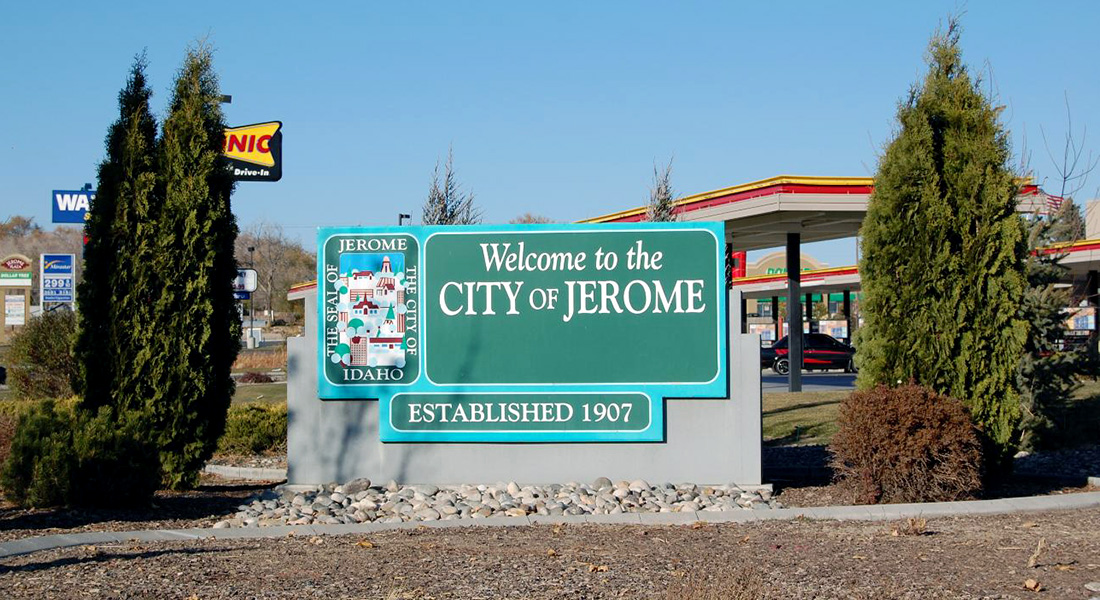
Jerome County’s* population has grown to 25,311**. Jerome is the county seat and by far the largest city at 13,037**. Novolex, a plastic grocery bag manufacturer, and Idaho Milk Products, a state-of-the-art milk processing plant, are examples of the newer companies requiring workers with higher-than-average skill levels. The dairy industry continues to be a major force driving the local economy, drawing feeder businesses such as Agropu, Darigold, and Commercial Creamery. Old Hickory Sheds filled the former Con Paulos auto dealership while new schools and a new senior center were recently constructed.
Affordable housing has grown as commercial interests sought locations close to the interstate and highway systems. Construction for community services includes a $12.1 million new jail, and a $35.8 million investment for waste water infrastructure improvements. The Jerome School District is expanding facilities and improving learning opportunities as enrollment grows.
| Jerome County Demographics* | |
|---|---|
| Per Capita Income | $45,665 |
| Average Annual Wage | $47,989 |
Jerome County Labor Force and Economic Profile PDF
.2 MB Download
* Idaho Department of Labor, January 2024
** U.S. Census QuickFacts,
Population Estimates, July 1 2022
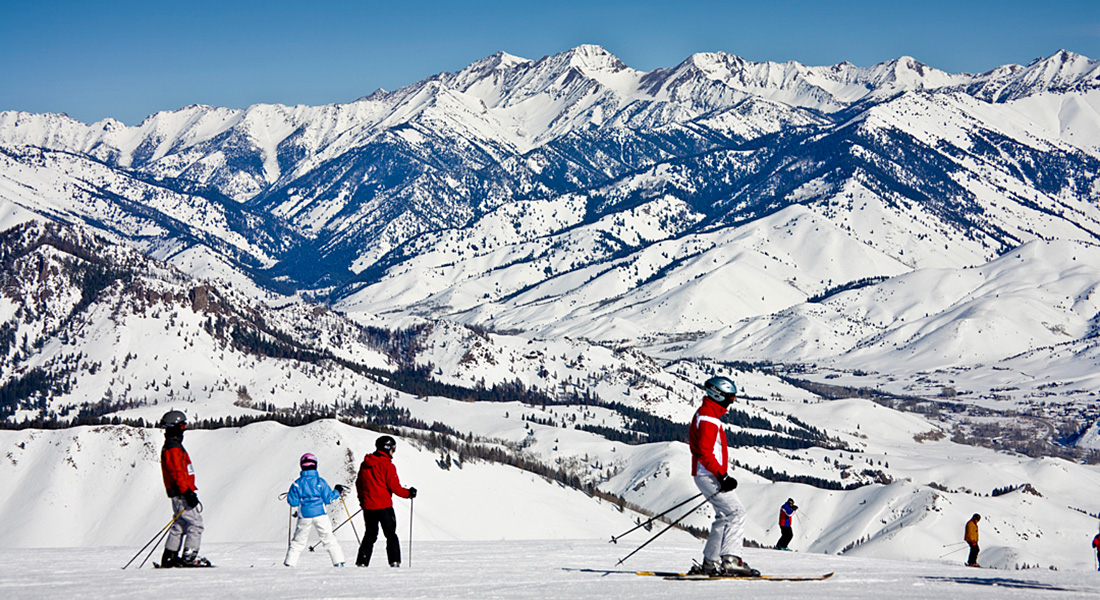
Blaine County’s* population has reached 24,866**. Hailey is the county seat and largest town at 9,644**. Beautiful mountains and virtually unlimited recreational opportunities make Blaine County a destination for visitors, both domestic and international. The world famous Sun Valley Ski Resort continues to report skier days of approximately 400,000 annually.
Local leaders are working on issues such as affordable housing and how to expand the workforce. Ketchum, the commercial hub, has two new hotels in the downtown—the Limelight and Hotel Ketchum. Bellevue opened the Silver Creek Hotel in 2017. New direct flights from major cities and regional jets have increased access, mostly supported by local option tax.
| Blaine County Demographics* | |
|---|---|
| Per Capita Income | $165,640 |
| Average Annual Wage | $58,228 |
Blaine County Labor Force and Economic Profile PDF
.2 MB Download
* Idaho Department of Labor, January 2024
** U.S. Census QuickFacts,
Population Estimates, July 1 2022

Cassia County’s* population has grown significantly in recent years reaching 25,655**, up from 22,134 in 2008. The county diversified beyond agriculture as national companies relocated to the area. Efforts to market Cassia and Minidoka counties together through a community partnership that spotlighted low land and labor costs were successful in landing new businesses.
The area offers an array of natural resources and recreational opportunities. Burley, the largest city with a population of 12,142**, sits on the banks of the scenic Snake River. It is a short jaunt to the City of Rocks National Reserve for climbing and Pomerelle Mountain Resort for skiing. City and business leaders expect strong growth based on the favorable business climate and Burley’s investment in waste water capacity.
| Cassia County Demographics* | |
|---|---|
| Per Capita Income | $54,637 |
| Average Annual Wage | $45,483 |
Cassia County Labor Force and Economic Profile PDF
.2 MB Download
* Idaho Department of Labor, January 2024
** U.S. Census QuickFacts,
Population Estimates, July 1 2022

The population of Minidoka County* is growing, reaching 22,194**. Rupert, the county seat, has a population of 6,238**. The downtown core has retained its historic buildings including the iconic Wilson Theatre, renovated with community collaboration. The downtown plaza is one of the few remaining in Idaho, continuing to be the centerpiece of the community.
While heavily dependent on agriculture and food processing, the county economy has diversified to include durable manufacturing and wholesale and retail trade tied to agriculture. National employers have been willing to pay higher wages. Renewed economic vitality, the area’s scenic beauty and the lure of nearby recreation are drawing new residents and businesses.
| Minidoka County Demographics* | |
|---|---|
| Per Capita Income | $47,934 |
| Average Annual Wage | $45,931 |
Minidoka County Labor Force and Economic Profile PDF
.2 MB Download
* Idaho Department of Labor, January 2024
** U.S. Census QuickFacts,
Population Estimates, July 1 2022
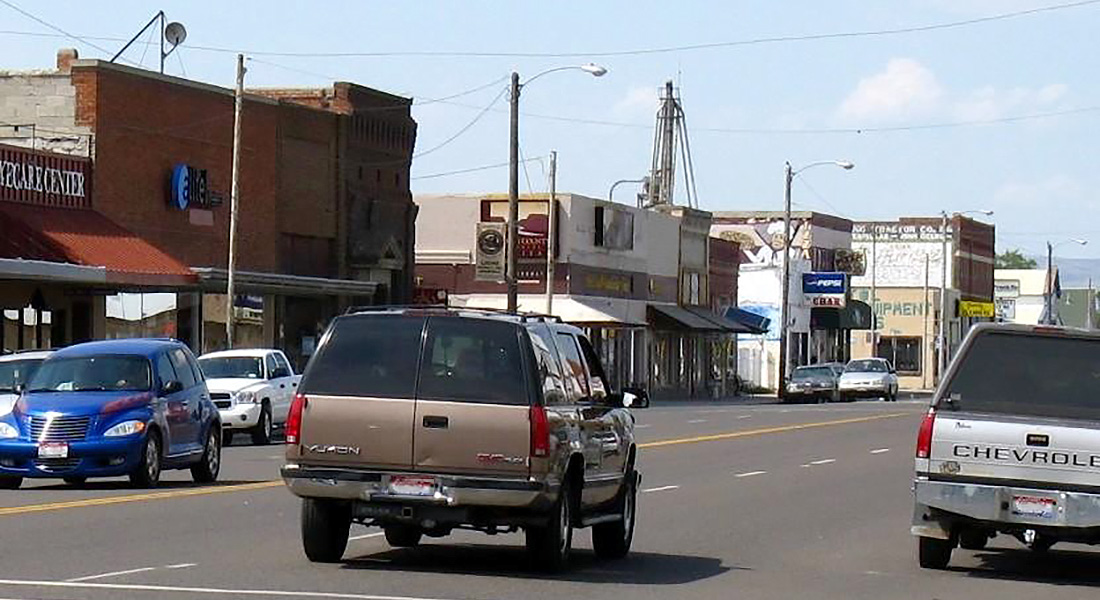
Gooding County’s* population stands at 15,715**. Gooding County is the state’s dairy leader. The industry has converted typically migrant, seasonal workers into permanent residents with 30 percent** identifying as Hispanic or Latino. The county seat and largest town is Gooding at 3,707** residents. Wendell, coined the Hub City due to its central location, is the second largest at 2,917**. More than half the county lives outside town borders.
Despite the predominance of dairy, the county’s agriculture is diverse raising specialty onions and beef cattle to being a national leader in trout. North Canyon Medical Center opened its new facility in 2010 in Gooding as a county hospital. Taxpayers voted to move it to a non-profit status in 2018 allowing it to build a clinic at Crossroads Point® and other locations.
| Gooding County Demographics* | |
|---|---|
| Per Capita Income | $72,945 |
| Average Annual Wage | $44,828 |
Gooding County Labor Force and Economic Profile PDF
.2 MB Download
* Idaho Department of Labor, January 2024
** U.S. Census QuickFacts,
Population Estimates, July 1 2022

Lincoln County’s* population has grown to 5,329**. Shoshone, considered the gateway to Sun Valley, is the county seat with a population of 1,653**. Lincoln County continues to rely on agriculture with several large dairies contributing to the industry’s regional growth. Manufacturing was nearly nonexistent prior to the opening of Glanbia Food’s whey processing plant in Richfield, and Rocky Mountain Hardware, which machines high-end brass fixtures, in Shoshone.
As a bedroom community to both the Wood River Valley and Jerome/Twin Falls, workers have an easy commute. Affordable housing is an issue in the Wood River Valley, making Lincoln County a desirable alternative. This housing gap has fueled the growth of subdivisions and residential construction in adjacent communities like Shoshone. There is a high ownership ratio of 73.5** percent. The Hispanic or Latino population comprises 32.6** percent of Lincoln County.
| Lincoln County Demographics* | |
|---|---|
| Per Capita Income | $51,693 |
| Average Annual Wage | $47,139 |
Lincoln County Labor Force and Economic Profile PDF
.2 MB Download
* Idaho Department of Labor, January 2024
** U.S. Census QuickFacts,
Population Estimates, July 1 2022
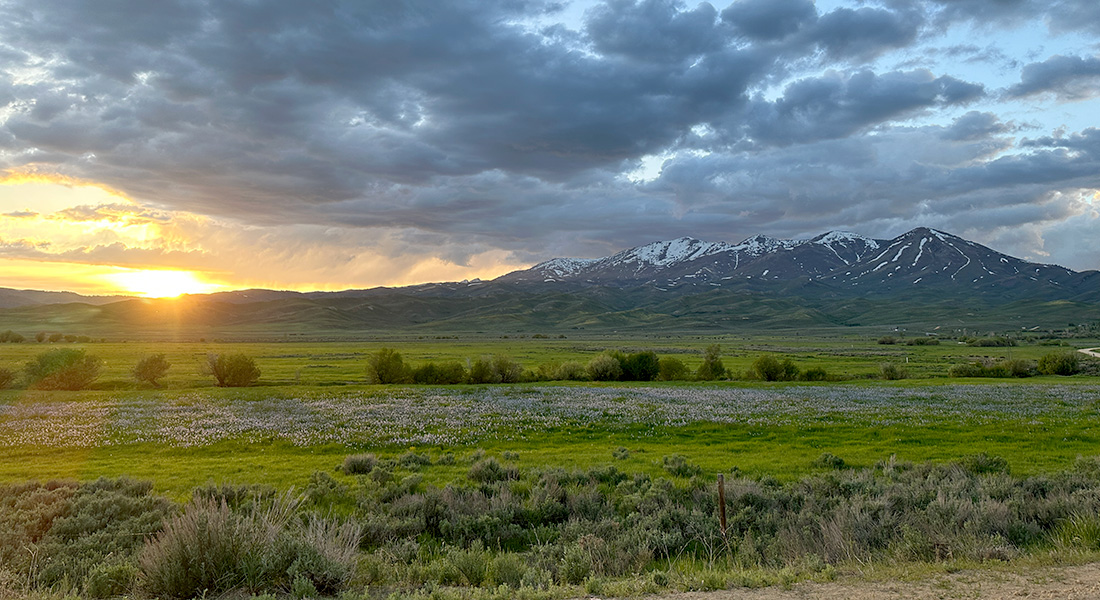
Camas County’s* population is 1,153**. It is the second least-populated county in Idaho but contains some of the most beautiful and rugged scenery. At an elevation of 5,069 feet, Camas County offers recreational opportunities from fishing, hunting, skiing and snowmobiling, to camping and golfing.
Fairfield, the county seat and only major town with a population of 441**, rests at the foot of vertical Soldier Mountain with a summit elevation of 7,177 feet. While the distance from population centers and the interstate limit its development, the outlook is for steady growth over the next decade as tourism in areas such as nearby Sun Valley continue to grow.
| Camas County Demographics* | |
|---|---|
| Per Capita Income | $61,839 |
| Average Annual Wage | $61,697 |
Camas County Labor Force and Economic Profile PDF
.2 MB Download
* Idaho Department of Labor, January 2024
** U.S. Census QuickFacts,
Population Estimates, July 1 2022